
The Art of Postpartum Holding: Traditions That Heal The Mother
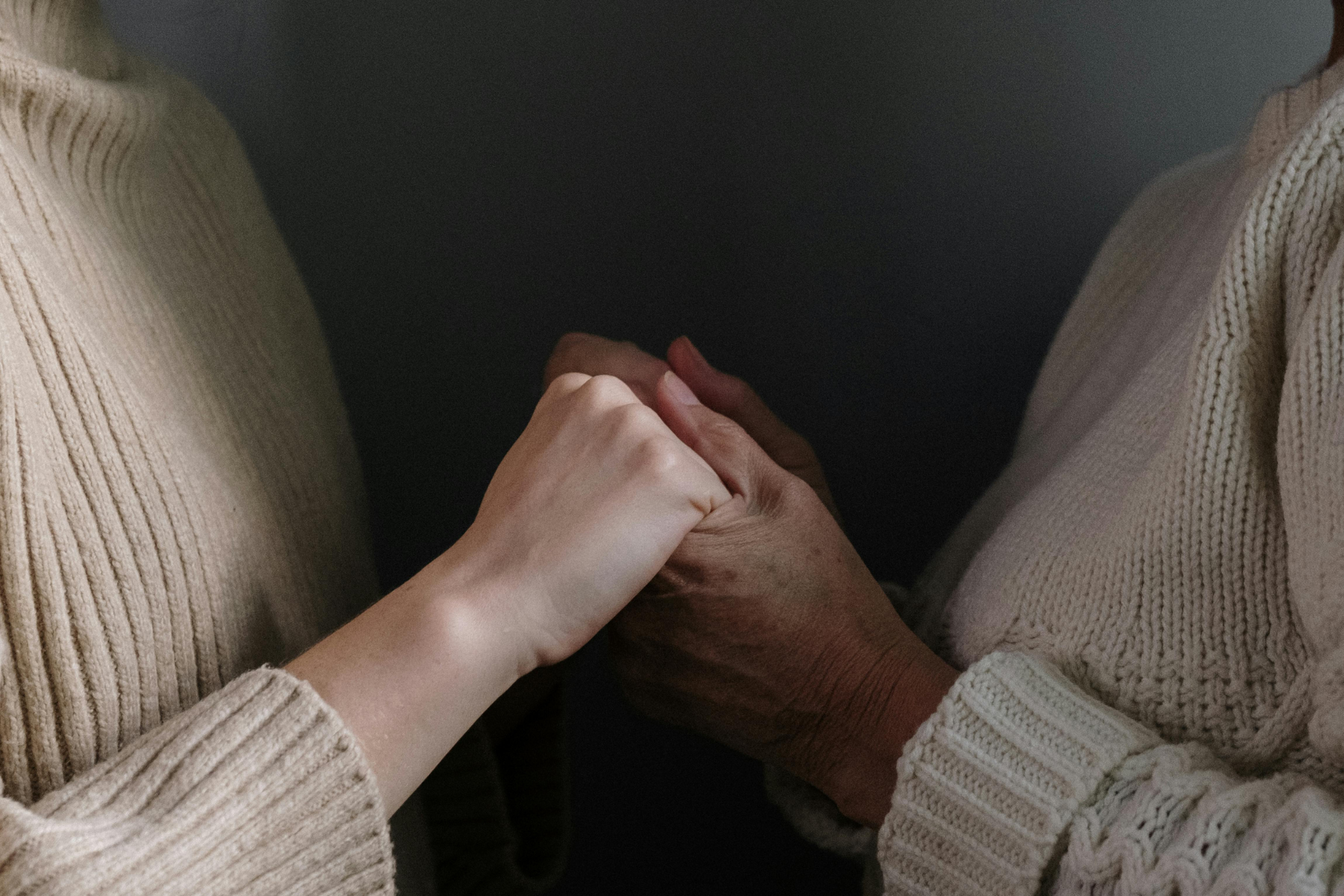
Imagine a world where every postpartum mother was cared for in a way that made her feel safe, loved and nourished, supporting her in caring for and responding to her baby’s needs from a resourced, whole and regulated place. A world where every mother had a village to support her. One that was made up of people who were not only willing to hold the baby, but hold the mother.
Holding the Mother with Traditional Postpartum Care
Birth is a portal taking a mother through a transition that transforms her from one version of herself to another, while the postpartum season marks the integration of these changes. There is a tremendous amount of physical, emotional and spiritual restructuring & rebuilding that is taking place during the early weeks after birth, and the type of care and support that a mother receives during this brief, but sacred time has a significant impact on her longterm health and wellbeing.
Yet, the postpartum time is the most overlooked period of the childbearing journey. Mood disorders have become such common ailments in the weeks following birth, that often one can’t even hear the word “postpartum” without depression and anxiety coming to mind. More mothers than ever struggle with breastfeeding challenges, depletion, loneliness, overwhelm and exhaustion. But have we ever stopped to consider that maybe these feelings and challenges might just be a mother’s body responding to living in a world that is no longer designed to support or meet her physiological needs?
The Weight of the Modern Lifestyle.
The physiological needs that mothers have in the postpartum time have not changed. What has changed is the environment and lifestyle in which we live. Instead of being invited to rest, mothers are bombarded with messages about what postpartum should look like, rather than what it actually feels like, and are pressured to “bounce back” to their pre-pregnancy body and productivity as quickly as possible.
In our modern world, especially in Western society, birth is often treated as the finish line in the childbearing journey, and the attention that comes after birth usually centers around the baby instead of the mother. While caring for the baby is important, the type of care and support that a mother receives is foundational to the health and wellbeing of the entire family unit. Additionally, our fast-paced way of living, leaves well- intentioned family members and friends at their max capacity unable to show up for us in the way that a postpartum mother’s body, mind and spirit needs.
The Postpartum Body, Mind and Spirit.
Pregnancy and birth is a huge energetic expenditure, as is caring for and sustaining a new tiny being. If a mother’s body is not able to replenish its energetic and nutritional reserves, her lifeforce and nutritional building blocks will be depleted and her body will
struggle to cleanse, heal and rebalance its systems, as well as produce adequate and digestible milk for her baby.
In the weeks following birth a woman’s body is undergoing significant changes on a physical, emotional and hormonal level. The body is releasing excess fluid and blood, rebalancing the hormones, and bringing the bones, ligaments, muscles and digestive organs back into place. There are even changes that are taking place in a woman’s brain, including a decrease in grey matter and an increase in the neuroplasticity making her more sensitive to the world around her.
While this massive amount of physical shifting is occurring, a mother’s relationships, routines, responsibilities, values and sense of self are all changing too. Whether this is her first birth, or tenth birth, the initiation that is bringing a child into the world, transforms a woman on a deep level, inviting her to leave behind aspects of her being that no longer serve.
Postpartum is a transition like nothing else and the type of care a mother receives is just as important as the care her newborn receives. When a mother is held, nourished and cared for, she is better able to hold, nourish and care for her baby. The missing conversations and lack of postpartum support, are failing our mothers, and in doing so, are failing our children. Once we understand the impact that this period of the childbearing journey can have, it becomes critical that we support our postpartum mothers with intentional holistic care.
Traditional Postpartum Care
Forty days of intentional holistic postpartum care is a practice we can find in other times & places all over the world. Traditional practices believe that this brief period of time opens a sacred window, allowing the mother a chance to rebuild her internal and external world in a way that will heal and support her for many years to come. It is understood that while the baby is important, the wellbeing of the entire family is dependent on the wellbeing of the mother, and that the first forty days postpartum are the most critical time for her to be held and cared for.
We see entire communities come together to support the mother so that she can rest, heal and build a solid foundation of nourishment for herself and her children to thrive on. This type of care is not seen as a luxury, but as a necessity for the health and wellbeing of the entire community and the generations to come.
As Rachelle Garcia Seliga of Innate Postpartum Traditions says, “The best way we can ‘take care of’ the future generations, is by optimally supporting Mothers. The right order of things is that: Communities take care of Mothers, so that Mothers can take care of their babies, so that those babies can grow up to take care of their
communities.” Hundreds of cultures recognize this and make true postpartum care an essential part of raising healthy children and building thriving communities.
Reclaiming Traditional Postpartum Wisdom
Understanding the wisdom of traditional postpartum care supports us in planning for the physical, energetic and spiritual support we need in the postpartum season. If you travel back in time through your own lineage, you will more than likely find sacred foods and practices that nourished mothers post-birth. If you are familiar with these traditions and they resonate, reclaim them by making them a part of your postpartum plan.
If, however, we find that we are not familiar with our ancestors traditions, or perhaps we come from a community that did not have practices for postpartum, we might need to adopt or take inspiration from other traditions around the world. The four common insights that we see across the world in traditional postpartum care are:
An extended period of rest after birth to replenish and preserve a mother’s life force, while protecting her long-term pelvic and hormonal health.
Keeping a mother warm in order to recapture heat and increase circulation to support the healing process.
Nourishing her with healing foods and herbs that support digestion and provide essential nutritional building blocks that create and serve as the foundation of health for herself and her baby for many years to come.
Incorporating body care practices such as herbal oil massage, belly binding, herbal baths and craniosacral therapy that support her healing and integration on a physical, energetic and spiritual level.
Although postpartum traditions are specific to the cultural context from which they come, these pillars make up the secure foundation that hold a mother’s postpartum body, mind and spirit.
A Final Note on Community
In order for these pillars of traditional postpartum care to stand strong, they must rest on a solid foundation of community. Many of us no longer live in tribes or communities, where grandmothers, aunts, sisters and cousins can fill our homes for many hours a day cooking our meals, taking care of other children and giving us daily massages. However, we can come together with the intention to find new ways forward, drawing on ancient postpartum wisdom and bringing it into our modern lifestyles in a way that resonates with us and works with the resources we have available at the time.
If you are a mother that is awaiting the birth of your baby, I invite you to put as much time and energy into preparing for your postpartum as you would your birth and labor. Remember, rest, warmth, nourishment and bodycare safeguard your longterm health and is an investment in you, your baby and family’s future wellbeing. Find support and create a plan that holds both you and your baby.